
One call starts the conversation
Start by checking whether a roof installation contractor is available for your ZIP code and the work you need.
Roof replacement connections • South Jersey
Call to check availability for roof replacement in your ZIP code.
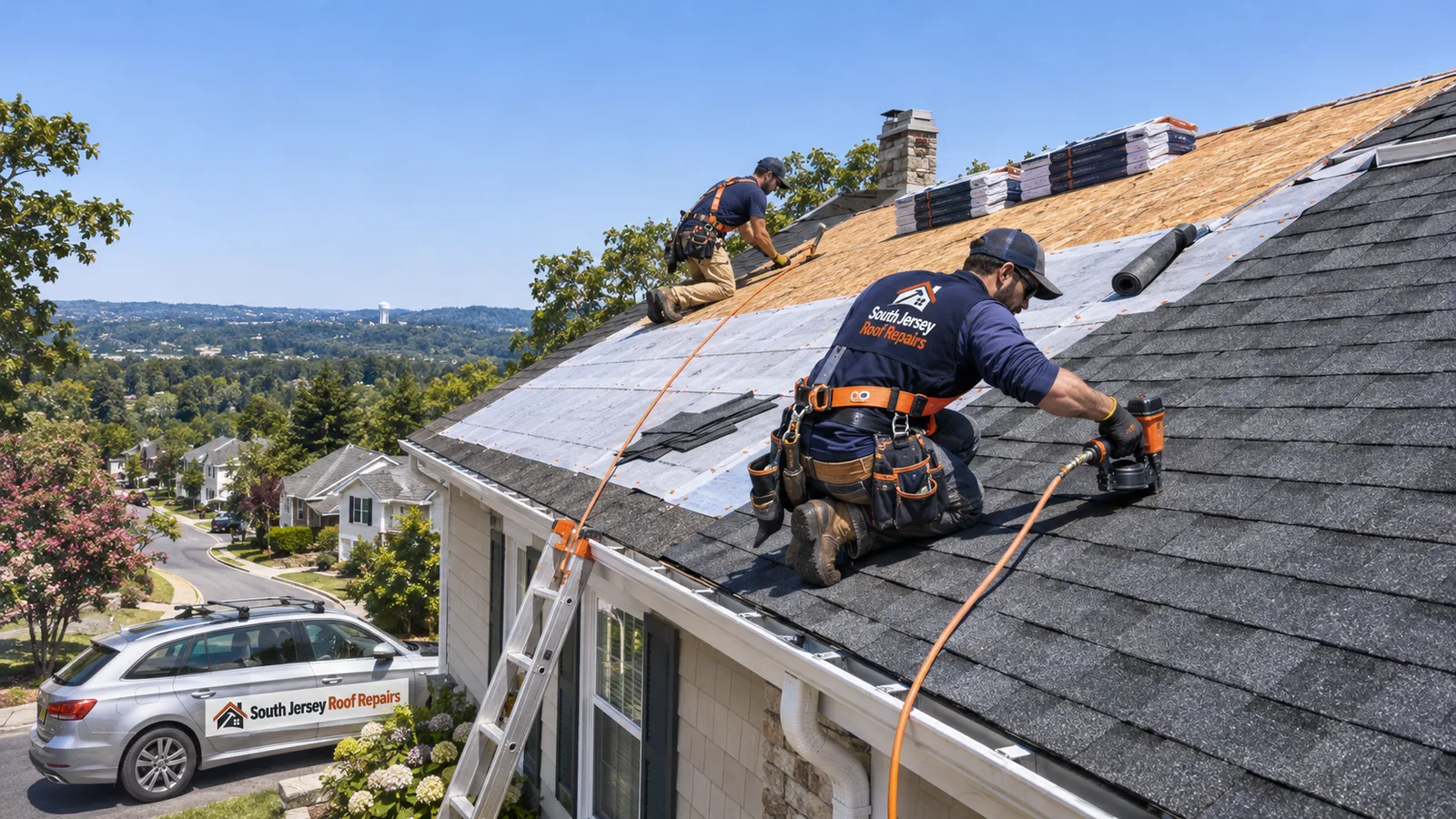
Roof replacement in South Jersey involves more than putting new shingles over an aging surface. The contractor needs to assess the roof covering, wood decking, flashing, ventilation, and drainage together. A roof can look worn while its deck remains sound, or appear reasonably intact while leaks have damaged the wood underneath. That distinction affects the scope of the installation.
Widespread curling, recurring leaks in different areas, and deteriorated shingles are reasons to discuss replacement. A leak in one area alone does not establish that the entire roof needs to come off. A contractor should explain what is failing, whether the damage is isolated, and why replacement makes sense for the condition of your roof.
South Jersey's coastal exposure matters when choosing materials and installation details. On homes near the Atlantic coast and Delaware Bay, wind exposure deserves particular attention. Shingle fastening, starter strips, roof-edge details, and the manufacturer's installation requirements should be part of that conversation. Inland homes also need careful attention to wind-driven rain, flashing intersections, and attic moisture.
Architectural asphalt shingles are one option for pitched residential roofs. Metal roofing may also be suitable, depending on the structure and the homeowner's preferences. Low-slope additions need a covering designed for their pitch; shingles are not appropriate for every roof surface. A replacement plan should account for each roof plane rather than treating the whole house as one uniform surface.
Through South Jersey Roof Repairs, you can check availability for roof companies across the South Jersey area. If a contractor is available, you can ask about an evaluation, the proposed work, and a quote. You decide whether to proceed.
Start by checking whether a roof installation contractor is available for your ZIP code and the work you need.
Discuss tear-off, roofing materials, attic access, and the condition of the existing roof with the contractor who can evaluate the job.
Contractor availability varies by location in South Jersey. If someone is available for your area, discuss property access and the practical requirements of the installation.
The contractor provides the proposed scope and quote. You can ask questions about materials, exclusions, and installation details before deciding what happens next.
Have your ZIP code ready when you call. If a contractor is available, you can discuss your roof and ask about an assessment.
The contractor checks the roof's pitch, existing layers, flashing, penetrations, and visible deterioration. Attic access can help reveal moisture staining, ventilation problems, or damaged decking. Some deck damage becomes visible only after the old covering is removed, so ask how concealed conditions will be documented and handled.
A written proposal should identify the roof covering, tear-off work, underlayment, flashing, ventilation changes, and debris removal. Ask whether chimney and wall flashing will be replaced or retained, and how adjoining low-slope roofs will be treated. Discuss any applicable municipal permit requirements with the contractor before work begins.
For a tear-off replacement, the old roofing is removed and exposed decking is checked before the new roof assembly is installed. The contractor addresses agreed deck repairs, then installs the specified underlayment, edge details, flashing, and roof covering. Material staging and debris handling should account for driveways, landscaping, and access around the house.
Before the job is closed out, discuss cleanup, remaining materials, and any changes made after tear-off. Ask the contractor to explain the finished flashing details, provide product information, and clarify any warranty terms associated with the materials or installation.
Before planning installation, consider the condition of your roof, material options, and the questions you want to ask during an assessment.
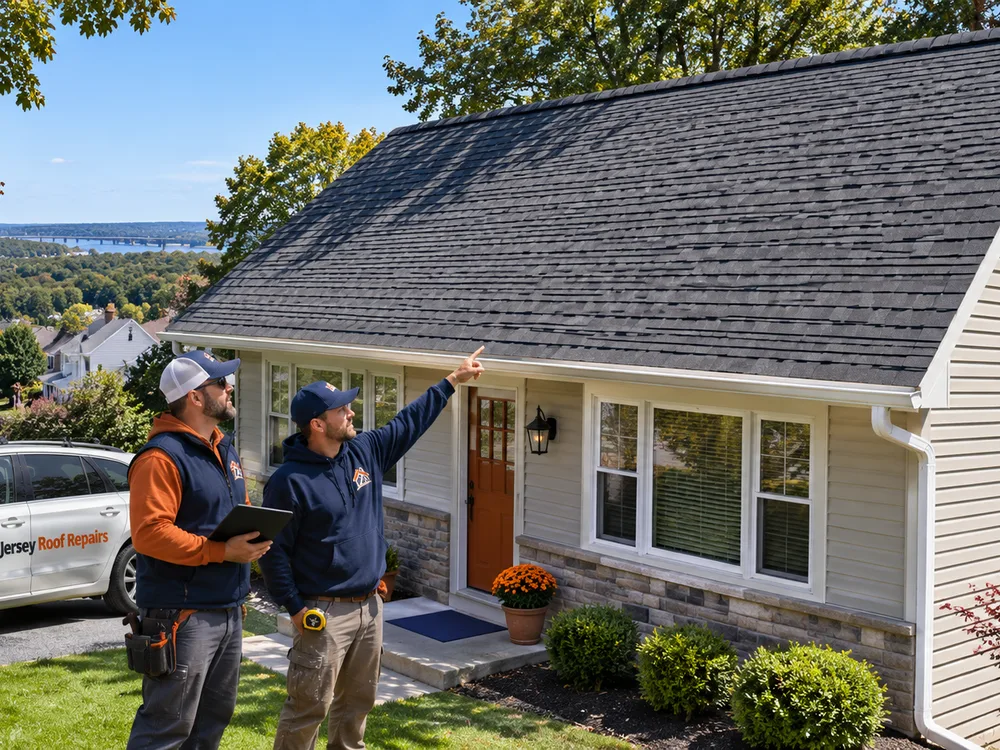
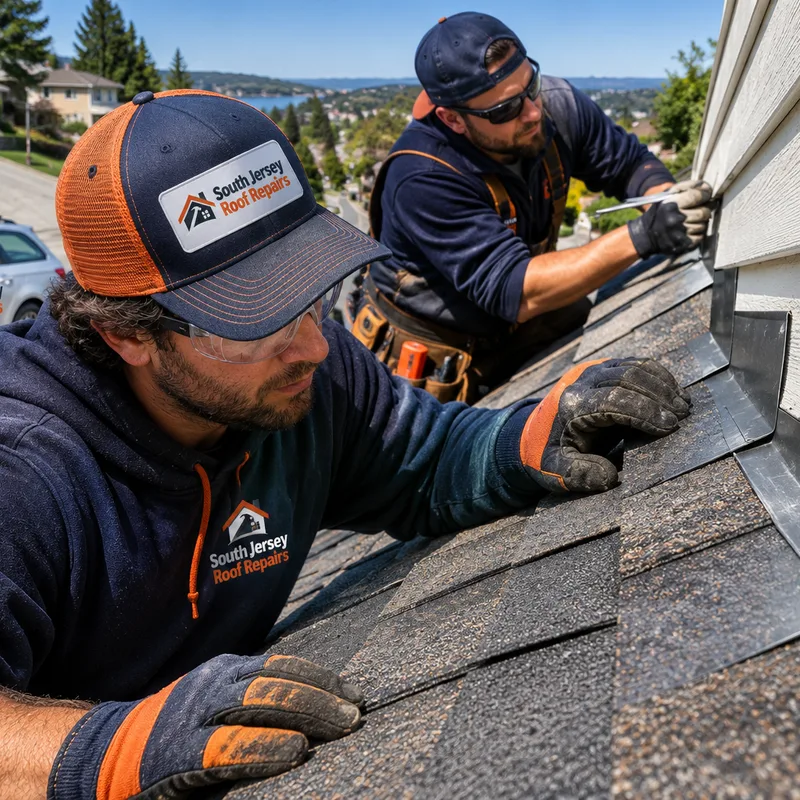
An overlay is suitable only when the existing roof condition, structure, applicable requirements, and material instructions allow it. Covering old shingles also leaves the decking concealed. Ask the contractor why an overlay or a full tear-off is appropriate for your home, and how the choice affects flashing, roof edges, and inspection of the wood deck.
Gutter replacement is a separate scope item unless the contractor includes it in the proposal. Existing gutters may remain if their condition and positioning are suitable. Discuss how roofing debris will be kept out of them, whether removal is necessary for edge work, and whether drainage problems need attention alongside the new roof.
Homeowners can often remain at home during roof replacement, but the work creates noise, vibration, and restricted outdoor access. Ask the contractor about safe entrances, parking, pets, and protection for items in the attic. Working from home may be difficult during tear-off and fastening, particularly in rooms directly beneath the roof.
Compare materials as complete roof assemblies rather than by appearance alone. Ask about suitability for the roof pitch, fastening requirements, flashing details, attic ventilation, and maintenance. For coastal South Jersey homes, discuss the product's suitability for wind and salt exposure. The contractor should identify the specific product proposed and explain why it fits your roof.
The contractor should explain the weather plan before removing the existing roof. Ask how much roof will be opened at a time, how exposed areas will be protected, and how materials will be stored. Weather can change the work sequence, so agree on how the contractor will communicate interruptions and changes to the schedule.
Ventilation changes should follow an assessment of the attic and roof assembly. Balanced intake and exhaust are relevant to many vented attics, but adding a ridge vent alone does not resolve blocked intake or indoor air leaking into the attic. Ask the contractor whether the proposed roof installation includes ventilation changes and what condition those changes address.
Check whether a roof replacement contractor is available in your area of South Jersey. If available, discuss your existing roof, installation options, and the possibility of an assessment. Any quote comes from the independent contractor, and you decide whether to move forward.