South Jersey Roof Repairs

Homeowner resources • South Jersey

Roof Maintenance Tips for South Jersey Homeowners

Learn when to check your roof, what to look for from the ground, and how to prepare for winter.

One callStart the
conversation
LocalContractor
connections
Your choiceYou decide
what’s next
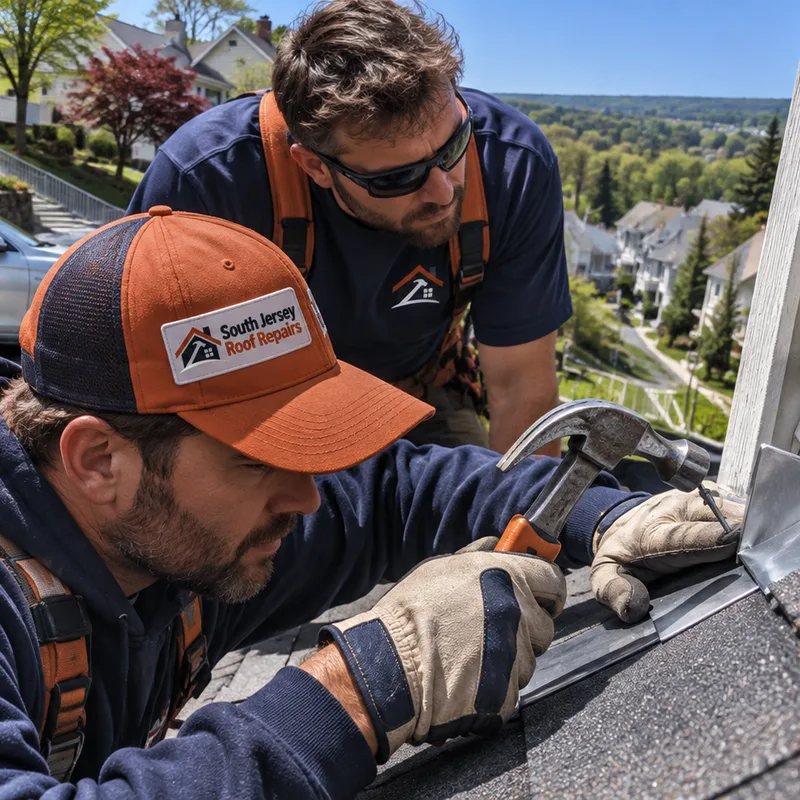
Contractor using fall protection while inspecting asphalt shingles near a valley on a residential roof.

How often should you inspect your roof in South Jersey?

Inspect your roof visually twice a year, in spring and fall, and check it after strong winds, hail, or falling branches. This is a practical starting schedule, not a substitute for the roof manufacturer's maintenance instructions. A ground-level check helps you notice changes; a contractor's inspection can assess details that are difficult to see safely yourself.

South Jersey's winter snow and ice, summer thunderstorms, and wind-driven rain give those seasonal checks a purpose. Spring is a useful time to look for winter damage. Fall checks help catch blocked drainage and loose roof materials before winter weather. Coastal homes exposed to stronger winds may need additional attention after storms. Roof age, nearby trees, previous leaks, and the condition of earlier repairs also affect the inspection schedule.

Use binoculars from stable ground to look for missing shingles, displaced ridge caps, debris in valleys, and gutters pulling away at the eaves. Indoors, watch for new ceiling stains and damp roof decking visible from a safely accessible attic. Avoid climbing onto the roof or entering an attic with unsafe flooring. Water can travel along framing, so a ceiling stain may be some distance from the entry point. For recurring stains, learn about roof leak repair. If you notice missing shingles after a storm, see our storm damage roof repair information.

When comparing roof companies in South Jersey, ask how an inspection addresses flashing, drainage, and attic evidence as well as shingles.

You can call South Jersey Roof Repairs to check local contractor availability. If a contractor is available, ask about a professional inspection and decide directly with them whether to proceed.

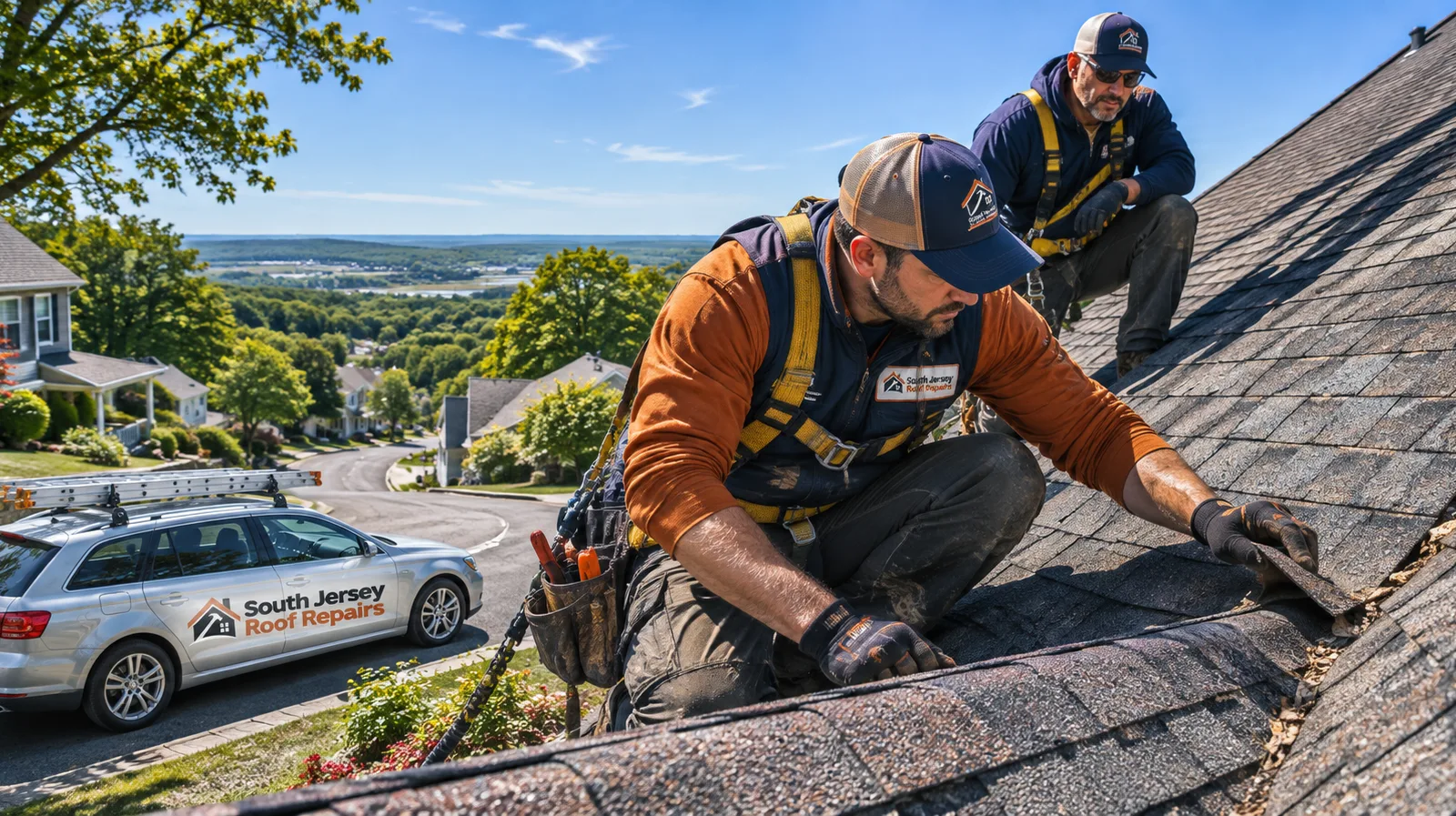
Roof maintenance tips for South Jersey homes

Keep drainage paths open

Leaves and small branches can collect in valleys, gutters, and downspout outlets. Arrange safe debris removal and gutter cleaning when needed. Water backing up at the eaves can affect fascia and roof edges even when the shingles appear intact.

Protect asphalt shingles

Maintain an asphalt shingle roof by limiting foot traffic, keeping debris off it, and arranging repairs to damaged shingles. Avoid pressure washing, which can strip protective granules. Ask the contractor about manufacturer-compatible cleaning if algae or moss is present.

Watch flashing and penetrations

Chimneys, plumbing vents, skylights, and roof-to-wall junctions deserve attention. Cracked pipe boots or separated flashing can admit water while surrounding shingles still look sound. Adding surface sealant is not always a lasting repair for an incorrectly assembled flashing detail.

Manage branches and shade

Branches rubbing against shingles can wear their surface, while fallen limbs can cause punctures. Heavy shade also slows drying. Discuss safe branch clearance with an appropriate contractor rather than cutting limbs over the roof yourself.

Track changes between checks

Keep dated ground-level photos and any inspection reports. A small amount of loose granules does not establish that a roof needs replacement. Changes in granule loss, exposed shingle mat, curling, or recurring leaks give the roofer more useful evidence.

What happens during a roof inspection?

  1. 01

    Start with the roof's history and visible symptoms

    The contractor discusses the roof's approximate age, previous repairs, storm exposure, and any water stains you have noticed. They assess access and roof conditions before choosing an inspection method. Steep slopes, wet shingles, and fragile materials can affect how the examination is performed.

  2. 02

    Examine coverings, edges, and drainage

    The roofer checks shingle condition, ridge caps, valleys, flashing, penetrations, and accessible roof edges. They look for lifted tabs, exposed fasteners, deterioration, and debris that interrupts drainage. Photos can help show which findings need attention and which are suitable for monitoring.

  3. 03

    Check interior evidence where accessible

    With suitable access and permission, the contractor may examine the attic for staining, moisture, ventilation problems, and visible decking damage. An exterior inspection alone cannot establish the condition of every concealed component. Ask which areas were accessible and what remains uncertain.

  4. 04

    Discuss maintenance and repair choices

    The contractor explains the findings and provides the quote for any proposed work. Recommendations may include debris removal, a localized shingle or flashing repair, or further investigation. Widespread deterioration may justify a replacement discussion. You decide which work to authorize and agree on its scope directly with the contractor.

Overdue for a roof check or seeing a change after a storm?

Ask about professional roof inspections, subject to contractor availability in your ZIP code. Discuss the scope directly with the contractor before deciding what happens next.

Details worth checking before winter

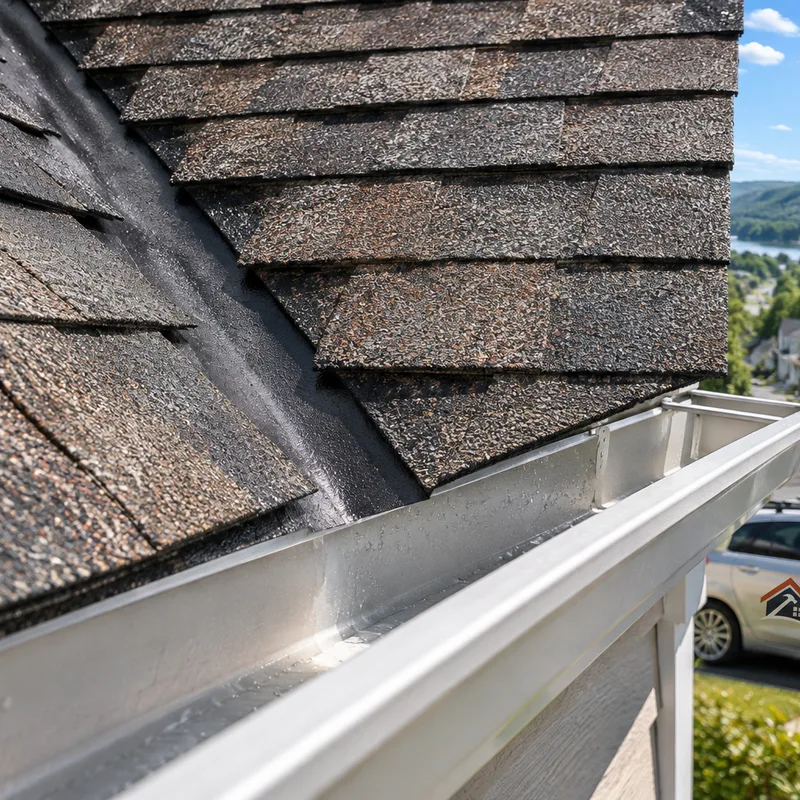
Close-up of asphalt shingles and integrated step flashing at a residential roof-to-wall junction.
Flashing at roof-to-wall joints needs attention even when nearby shingles look intact.
Clear asphalt shingle roof valley leading toward a clean gutter at the eave of a residential roof.
Open valleys and gutters help rain and melting snow drain off the roof.

Planning your next roof inspection

Does an older roof need more frequent professional inspections?

An older roof may need a closer inspection schedule, but condition matters more than age alone. Brittle shingles, repeated leaks, previous patching, and exposure to overhanging branches can justify additional checks. Ask the contractor to recommend an interval based on the actual materials and findings rather than assuming every older roof needs replacement.

How do you prepare your roof for winter in New Jersey?

Prepare for winter by addressing drainage blockages, damaged roof materials, and known leaks before snow and ice arrive. Ask the roofer to examine flashing and roof edges, and discuss attic insulation and ventilation if ice has collected along the eaves in previous winters. Heat escaping into the attic can contribute to uneven snowmelt and ice dams. Roof work and attic work may require separate scopes.

Should I wait for the next inspection if I notice a ceiling stain?

A new or growing ceiling stain deserves attention outside the routine inspection schedule. Photograph the stain and note whether it changes during rain or snowmelt. Roof leaks, plumbing leaks, and condensation can produce similar marks, so the cause needs investigation. Keep away from a sagging ceiling or wet electrical fittings and discuss the conditions with the appropriate contractor.

Can a contractor inspect the roof without walking on it?

Some roof conditions can be assessed from the ground, a ladder, attic access, or aerial images, but each method has limits. Images may reveal missing shingles while missing a small flashing defect or concealed moisture. Ask the contractor which methods are appropriate for the roof and whether any findings require closer examination.

What should I ask before agreeing to maintenance or repairs?

Ask which specific defects the proposed work addresses and what is included in the written scope. Useful questions cover material compatibility, removal of damaged components, cleanup, and how concealed decking damage would be handled if discovered. Ask about any applicable warranty terms directly. The contractor supplies the quote, and you choose whether to authorize the work.

How do I connect with a local roof inspection contractor?

Have your property ZIP code ready when you call to check contractor availability. If a contractor is available, ask whether they offer professional inspections, discuss their approach, and decide whether to proceed.

Give your roof a regular check, before damage grows

Whether you are planning seasonal maintenance or have noticed loose shingles, you can ask about professional inspections, subject to local contractor availability. Discuss the inspection and any proposed work directly with the contractor, review their quote, and choose your next step.

CALL NOW: +1 877 499 2535